
10.38 clear laminated glass
The Price of a 2.5-Inch Gate Valve Factors and Market Trends Gate valves are an essential component in various piping systems, serving to control the flow of liquids and gases. Among these, the 2.5-inch gate valve stands out for its versatility and efficiency in applications ranging from residential plumbing to industrial processes. Understanding the price of a 2.5-inch gate valve involves examining several factors including material, manufacturing processes, brand reputation, and current market trends. Material Composition One of the primary factors affecting the price of a gate valve is the material used in its construction. Common materials for gate valves include cast iron, stainless steel, brass, and PVC. Each material has its own advantages; for instance, stainless steel offers excellent corrosion resistance, making it ideal for harsh environments. Consequently, stainless steel gate valves typically command a higher price than their cast iron or PVC counterparts. A 2.5-inch stainless steel gate valve can range from $50 to $150, while a cast iron version might be priced between $20 and $70. Manufacturing and Design The manufacturing process of a gate valve also impacts its cost. High-quality valves are often produced using advanced techniques that ensure durability and reliability. Valves that are cast and machined with precision tend to be more expensive. In addition, features such as fire safety ratings, extended service life, and ease of maintenance can add to the overall cost. Consumers must weigh the upfront investment against long-term savings, as a more expensive, high-quality valve might require fewer replacements and repairs over time. 2.5 inch gate valve price Brand Reputation Brand reputation plays a significant role in pricing the 2.5-inch gate valve. Established brands with a history of quality and reliability will typically charge more for their products. Buyers may be willing to pay a premium for reputable brands due to peace of mind and assurance of performance. Conversely, lesser-known or generic brands might price their valves lower to attract budget-conscious consumers. It’s crucial to balance cost with quality, ensuring that the selected valve meets the necessary standards for the intended application. Market Trends and Availability Current market trends also influence the price of gate valves. For instance, demand for plumbing materials can fluctuate due to changes in construction activity or regulatory policies. During periods of high demand, prices may rise due to limited availability. Furthermore, geopolitical factors and supply chain disruptions can also affect the pricing of raw materials, impacting the overall cost of manufacturing the valves. In conclusion, the price of a 2.5-inch gate valve is influenced by multiple factors, including material choice, manufacturing practices, brand reputation, and market dynamics. Potential buyers should thoroughly research their options, considering not only the initial purchase price but also the valve’s performance and longevity. Ultimately, investing in a high-quality gate valve can lead to improved system efficiency and reduced maintenance costs over time, making it a wise choice for both residential and industrial applications.
about
10.38 clear laminated glass
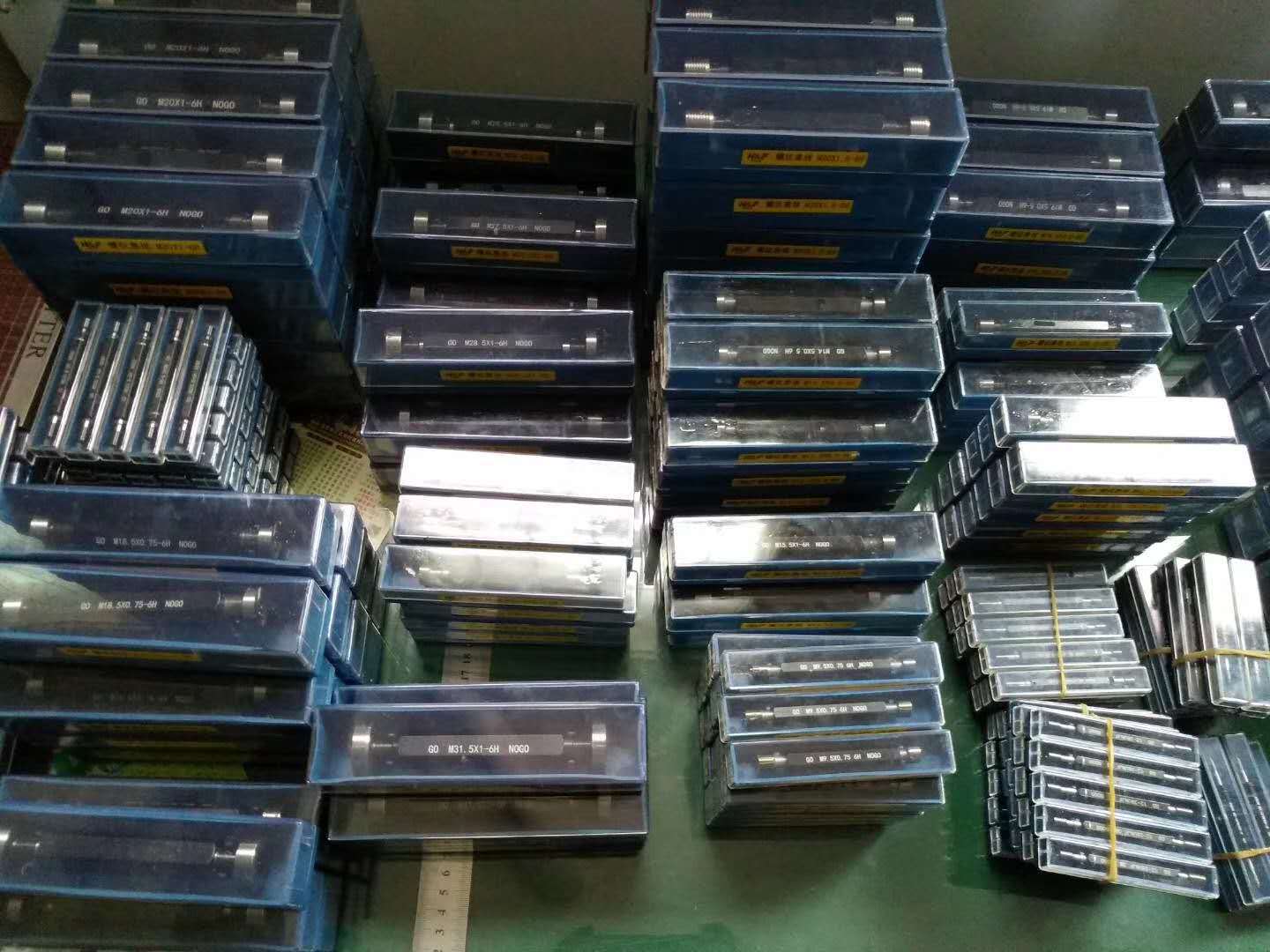
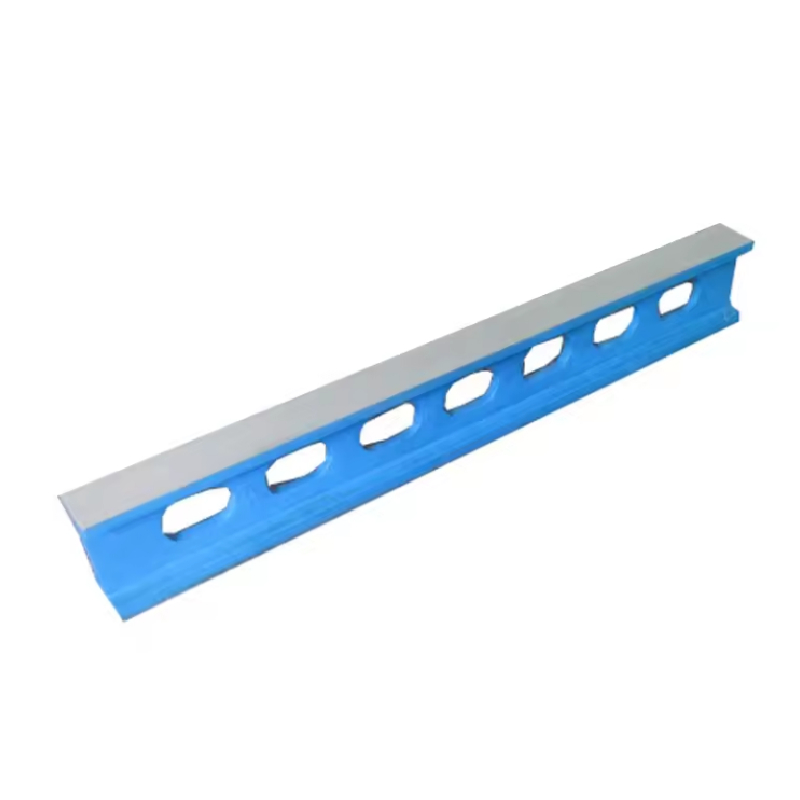
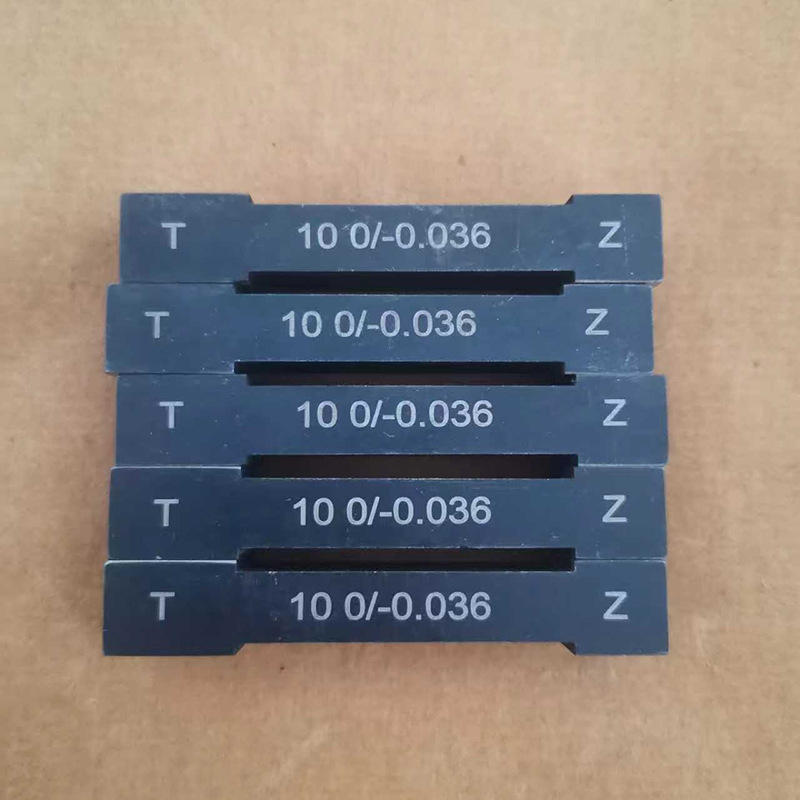
The Importance of the Inspection Ruler in Quality Control In any manufacturing or production environment, maintaining high standards of quality is critical to ensuring customer satisfaction and operational efficiency. One of the essential tools used in quality control is the inspection ruler. While seemingly simple, the inspection ruler plays a vital role in various industries, helping businesses uphold their commitment to producing high-quality products. What is an Inspection Ruler? An inspection ruler is a measuring tool used to check the dimensions and tolerances of parts, components, and assemblies. Typically made from durable materials, such as stainless steel or aluminum, it features precise markings that allow users to measure lengths, widths, and heights accurately. Inspection rulers often come with additional features such as angle measurement, levels, and even built-in calipers for enhanced versatility. Applications of the Inspection Ruler The inspection ruler is ubiquitous across a wide range of sectors, including manufacturing, construction, woodworking, and electronics. In manufacturing plants, inspectors use rulers to verify that components meet specified dimensions before they proceed to the next stage of production. This evaluation is crucial, as any deviation from the required specifications can lead to assembly issues or product failures down the line. In construction, the inspection ruler assists contractors in measuring distances and ensuring that structures are built according to design specifications. Architects and engineers depend on accurate measurements to bring their designs to life, making the inspection ruler an indispensable tool on job sites. Similarly, in woodworking, artisans utilize inspection rulers to create fine furniture and intricate designs . Precise measurements are essential to ensure that parts fit together seamlessly, allowing for both functional performance and aesthetic appeal. Benefits of Using an Inspection Ruler inspection ruler 1. Accuracy The primary advantage of using an inspection ruler is its ability to provide precise measurement. This accuracy is crucial in ensuring that each component aligns with design specifications, thus reducing the likelihood of defects. 2. Versatility Inspection rulers can be employed in various applications, making them a versatile addition to any toolkit. Their design typically allows them to measure both linear dimensions and angles, accommodating different needs in the field. 3. Ease of Use Unlike digital measuring tools, inspection rulers are easy to use and require no batteries or complex setups. Users can quickly measure and mark dimensions, streamlining the inspection process. 4. Cost-Effectiveness Inspection rulers are relatively inexpensive compared to other measurement tools. Their durability and reliability make them a cost-effective solution for businesses looking to maintain quality without breaking the bank. 5. Training and Accessibility New employees can be trained quickly on how to use an inspection ruler, minimizing downtime and enhancing productivity. Their simplicity makes them accessible to individuals across various skill levels. Conclusion The inspection ruler, while often overlooked in the grand tapestry of manufacturing and quality control, embodies the principles of precision, efficiency, and reliability. By employing this simple yet effective tool, businesses can uphold their standards, reduce waste, and foster a culture of continuous improvement. In a world where customer expectations continue to rise, the significance of maintaining quality cannot be overstated. The inspection ruler, with its myriad applications and benefits, remains a cornerstone in the quest for excellence in production and craftsmanship. Ultimately, as industries continue to evolve and technology advances, the fundamental need for accurate measurement will persist. It is tools like the inspection ruler that serve as the backbone of quality assurance, ensuring that products not only meet specifications but also embody the integrity and craftsmanship that consumers expect. From the factory floor to the construction site, the inspection ruler is an indispensable ally in the pursuit of quality.
-

High quality industrial productsagement

High quality industrial products
View Details -

Meet the diverse needs of customers

Meet the diverse needs of customers
View Details -

Strict quality control

Strict quality control
View Details -

Top raw materials

Top raw materials
View Details -

Trusted supplier

Trusted supplier
View Details
Our application


news and information
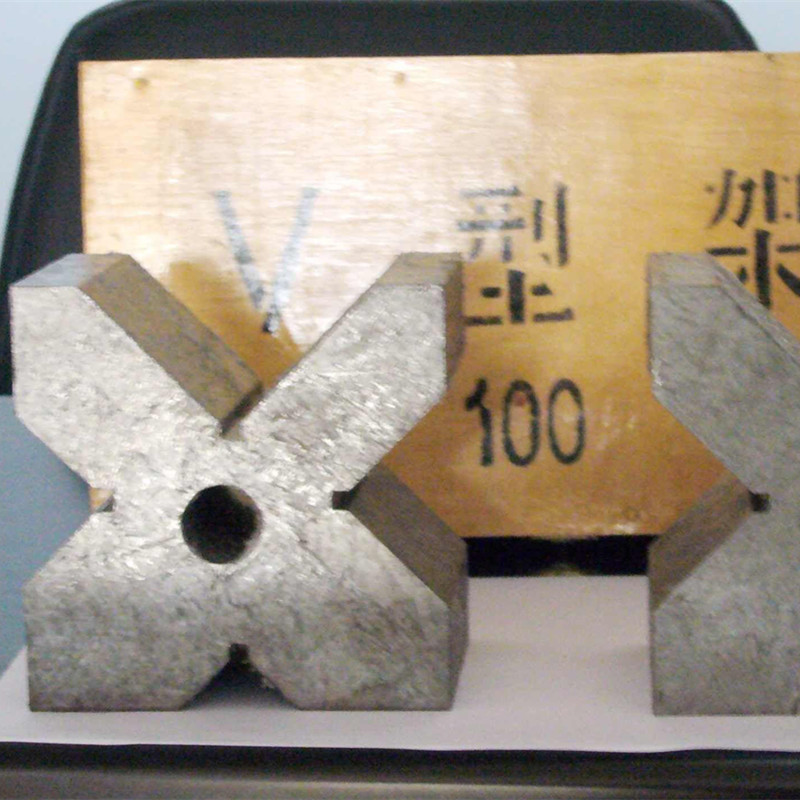
welding table clamps
The Importance of Welding Table Clamps in Metalworking Welding is a fundamental process in metalwork
welded steel workbench
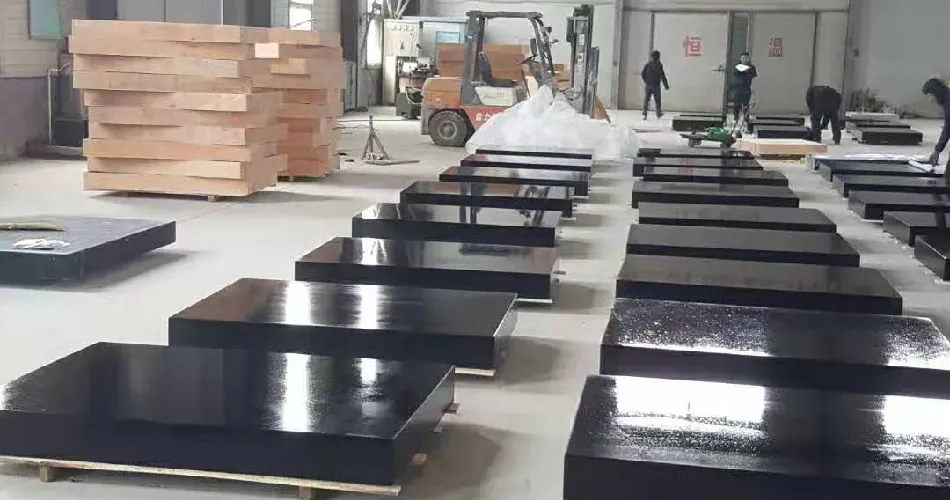
The Advantages of Using a Welded Steel Workbench In the realm of industrial workspaces, the signific
Valvola di ritegno libera
Valvole di Chiusura Un Elemento Fondamentale nelle Infrastrutture Industriali Le valvole di chiusura
 English